
ARTICLE
Environment

International trade and foreign investment have driven global economic growth, but they also generate significant environmental impacts. Around 80 to 90 per cent of global trade is transported by sea, and international shipping accounts for roughly 3 per cent of global greenhouse gas emissions. Trade-driven demand for commodities is a major contributor to environmental degradation. Around 30 per cent of global species threats are linked to international trade, while close to 70 per cent of tropical deforestation is associated with commercial agriculture largely oriented toward export markets.
At the same time, trade and investment are increasingly important channels for environmental solutions. Markets for sustainable goods have expanded rapidly, with exports of certified sustainable commodities growing from around USD 40 million in 2003 to approximately USD 4.5 billion in 2015. International investment has also shifted toward cleaner sectors. Renewable energy projects accounted for more than 26 per cent of global greenfield foreign direct investment in 2023, compared with negligible levels two decades earlier. This report outlines how trade and investment contribute to environmental pressures while also enabling technological diffusion, financing, and collective responses to global environmental challenges.
Trade and the Environment
Challenges
International trade can intensify environmental pressures by accelerating resource extraction, industrial production, and energy use. Higher output for export markets is associated with increased emissions, pollution, and land use change. One World Trade Organisation analysis suggests that global trade increases annual carbon dioxide emissions by around 5 per cent, or approximately 1.7 billion tonnes, relative to a world without trade. The transport of goods across long distances further adds to the carbon footprint, particularly through maritime shipping, which remains essential to global supply chains.
Trade-linked consumption also shifts environmental burdens across borders. In producing countries, a significant share of environmental damage such as deforestation, social degradation, and biodiversity loss is driven by demand in importing economies. Examples include supply chains for palm oil, beef, and timber, where habitat is cleared to meet foreign demand. Consequently, international trade is estimated to account for roughly one third of global species threats.
However, trade can also support environmental outcomes when supported by appropriate policy settings. Open markets facilitate access to cleaner technologies and environmentally beneficial goods that may not be produced domestically. Trade lowers costs and accelerates the diffusion of innovations such as renewable energy technologies, electric vehicles, and energy-efficient equipment. According to the OECD, trade plays a critical role in spreading environmental technologies embedded in goods, supporting efforts to reduce air pollution and greenhouse gas emissions.
Opportunities
Trade can also bring environmental benefits under the right conditions. It enables countries to access green technologies and environmentally friendly products that they might not produce domestically. Open markets help to spread these innovations. Rising demand from consumers and firms for low-carbon and sustainable goods increasingly shape global supply chains and influence consumer preferences in other countries.
Trade can also reduce global emissions when production shifts toward more efficient producers. If goods such as steel or electricity are produced at lower carbon intensity in one country, exporting those goods can reduce overall emissions, provided transport emissions remain lower than the avoided production emissions. Trade therefore presents both environmental risks and opportunities, depending on how it is governed.
Investment and the Environment
Challenges
Foreign direct investment also has a two-sided impact on the environment. On one hand, there are concerns that investment may flow toward countries with weaker environmental regulations, allowing pollution-intensive activities to relocate to lower-cost jurisdictions known as ‘pollution havens’. This effect could undermine global environmental objectives and contribute to carbon leakage, where emissions reductions in one country are offset by increased emissions elsewhere.
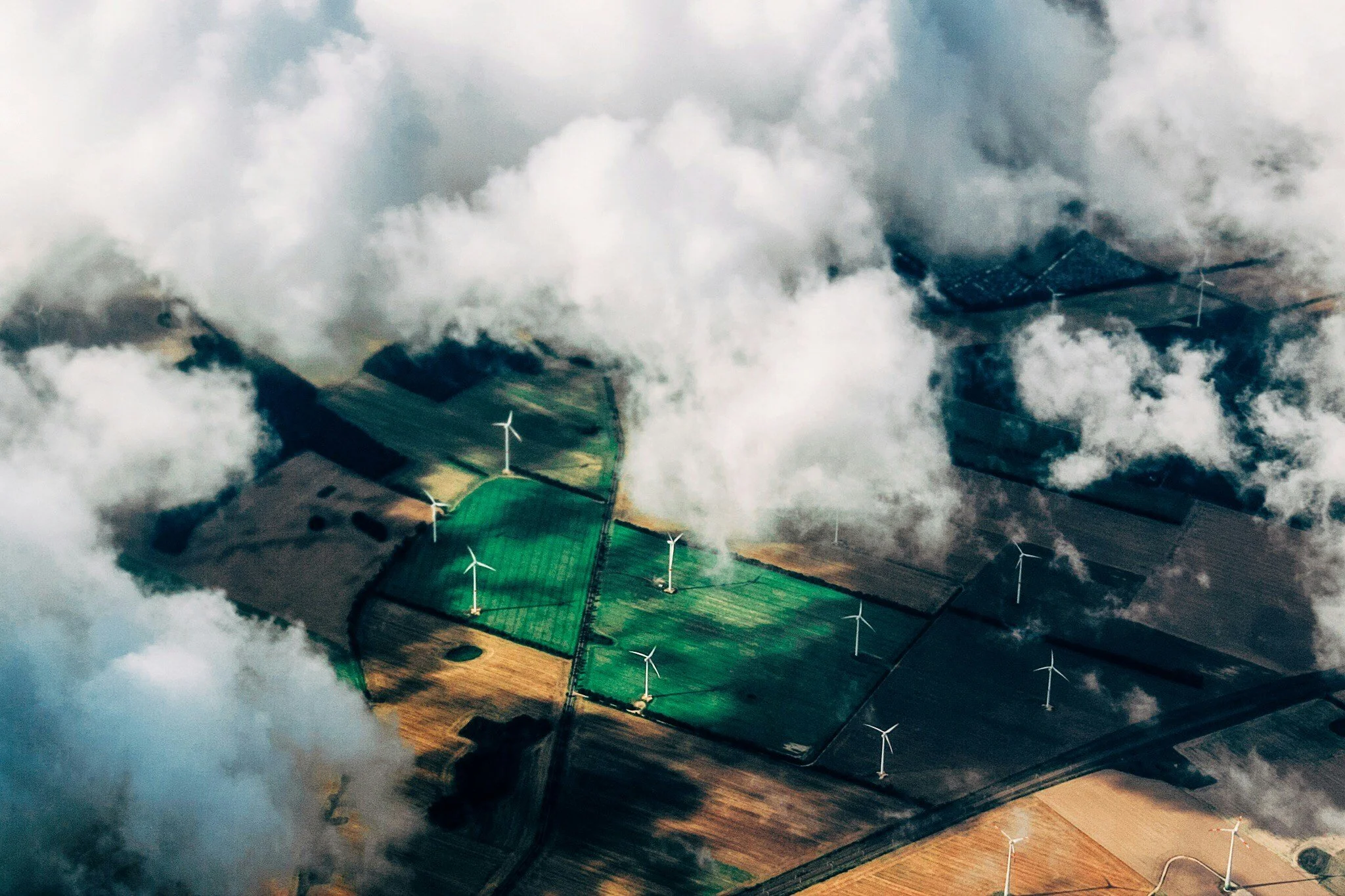
At the same time, international investment is essential for financing the transition to a lower-emissions economy. Foreign investment brings capital, technology, and expertise that can support cleaner production and infrastructure development. Governments increasingly seek to attract green investment to advance climate and sustainability objectives. Australia has emphasised the role of foreign investment in delivering capital and know-how to support its net zero transition.
Global investment patterns reflect this shift. According to the OECD, the share of renewable energy in global greenfield foreign direct investment rose from less than 1 per cent in 2003 to more than 26 per cent in 2023. This investment has supported the rapid deployment of wind, solar, and other low-emissions infrastructure across developed and emerging economies. Multinational enterprises can also raise environmental standards through their operations and supply chains by introducing more efficient technologies and sustainability practices. While poorly regulated investment can pose environmental risks, well-governed investment is a critical mechanism for mobilising finance and innovation for sustainable development.
Policy Responses and Cooperation
Governments are increasingly integrating environmental objectives into trade and investment policy. One prominent example is the European Union’s Carbon Border Adjustment Mechanism, introduced in 2023. The mechanism applies a carbon price to imports of emissions-intensive products such as steel, cement, aluminium, and fertilisers from countries with weaker climate policies. Its objective is to prevent carbon leakage and ensure imported goods face comparable carbon costs to domestic production. Importers are required to report and ultimately pay for embedded emissions, creating incentives for foreign producers to reduce emissions. In Australia’s case, the government’s Safeguard Mechanism, which caps large industrial emitter’s emissions, is being complemented by a review of carbon leakage and potential border adjustments to maintain competitiveness.
Trade agreements are also being used to support environmental objectives. At the multilateral level, World Trade Organisation members have pursued negotiations on an Environmental Goods Agreement (EGA) aimed at reducing tariffs on environmentally beneficial products. Although progress has been slow, the initiative reflects recognition that lower trade barriers can accelerate the uptake of green technologies.
Across the Asia-Pacific, initiatives like the APEC forum have similarly sought to reduce tariffs on environmental goods and harmonize standards. Australia, as a major trading nation, has been an active participant in such regional efforts and in shaping trade policies consistent with its environmental and climate pledges.
Bilateral and regional trade agreements increasingly include enforceable environmental provisions. Agreements such as the Comprehensive and Progressive Agreement for Trans-Pacific Partnership include binding commitments on environmental protection. The Australia–United Kingdom Free Trade Agreement contains an environment chapter that reinforces obligations under international environmental treaties and promotes cooperation on climate change, fisheries, and wildlife protection. These provisions are subject to dispute settlement, signalling a shift toward greater accountability.
International trade and investment contribute to environmental pressures but are also central to addressing them. Emissions, resource use, and ecosystem impacts linked to global commerce require careful management through policy coordination and regulation. At the same time, trade and investment enable the spread of clean technologies, mobilise capital for sustainability, and support collective action. The challenge lies in aligning economic integration with environmental objectives so that global growth supports, rather than undermines, environmental outcomes.
For readers seeking further information, DFAT, the WTO and OECD publish publications and provide resources on international trade and the environment.